Prescription Drug Addiction Treatment
Struggling with Prescription Drugs Addiction? You’re Not Alone
Prescription drug addiction rehab is a structured treatment programme designed to help individuals safely withdraw from medications such as opioids, benzodiazepines and other prescribed drugs, while addressing the underlying psychological and behavioural patterns that lead to dependency. Treatment typically includes medically supported detox, one to one therapy and ongoing emotional support.
Prescription Drug Treatment in Rehab
Prescription drugs can be life-saving when used correctly – but for many, they can quietly lead to dependency. Whether it’s painkillers, sleeping tablets, or anti-anxiety medications, prescription drug addiction often begins unintentionally and escalates over time.
Common prescription drugs that can lead to addiction include:
- Opioid painkillers such as codeine and oxycodone
- Benzodiazepines such as diazepam and alprazolam
- Sleeping tablets and sedatives
- ADHD medications such as stimulants
- Certain anti anxiety medications
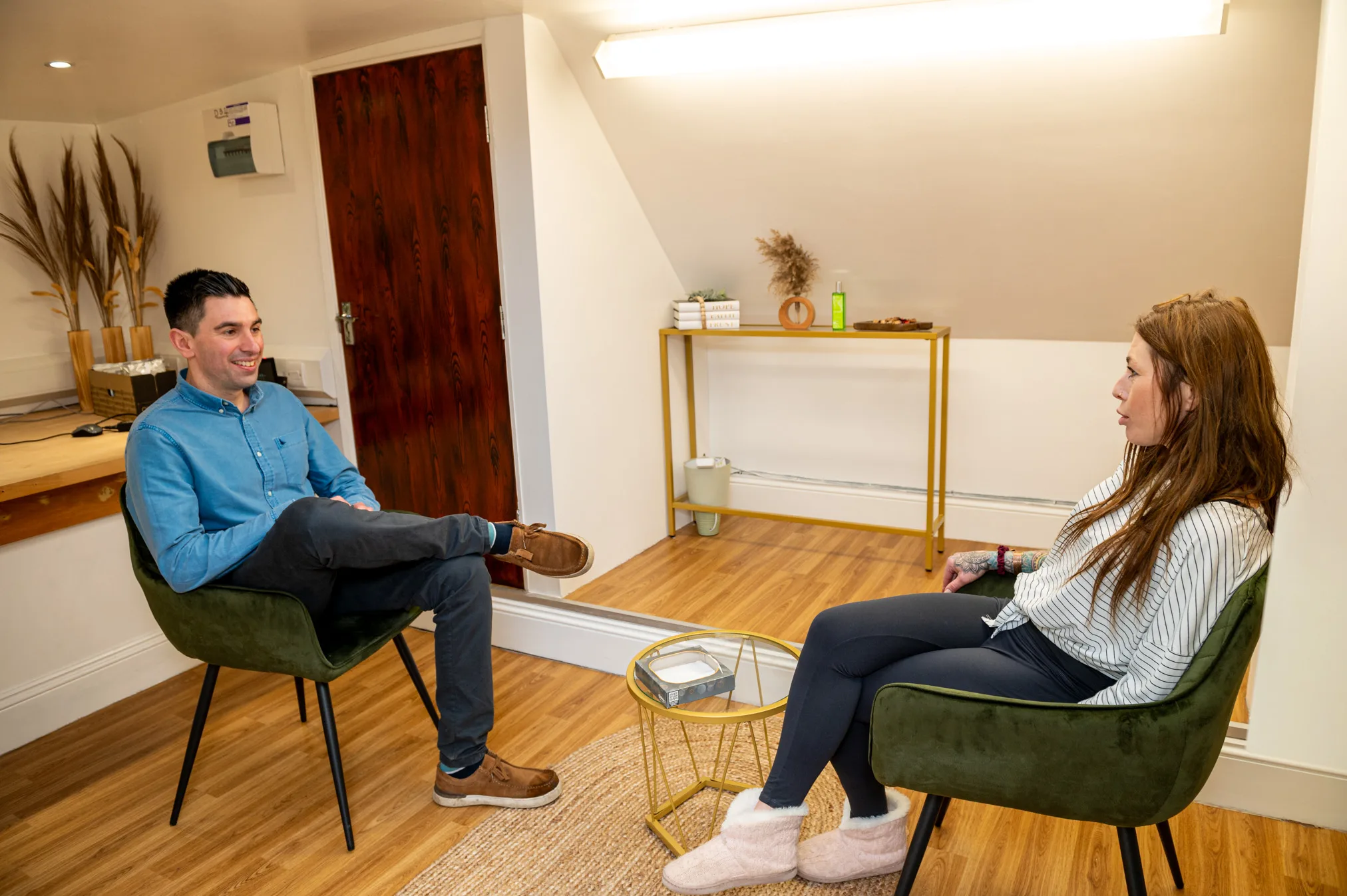
At TLC Rehab in London, we provide expert, discreet prescription drug addiction treatment tailored to your situation. If medication use is affecting your health, wellbeing or relationships, it may be time to seek support. Our residential rehab programme can help you reclaim control.
What is Prescription Drug Addiction Rehab?
Prescription drug addiction rehab is a personalised treatment process that helps individuals stop relying on prescribed medications in a safe and supported environment. While these medications may have originally been prescribed for legitimate reasons, dependency can develop over time, often without people realising.
Rehab focuses on both the physical and psychological aspects of addiction. This includes safely managing withdrawal symptoms, understanding the root causes of dependency, and developing healthier coping mechanisms. At TLC, this is supported through one to one therapy, a calm residential setting and a structured but flexible approach to recovery.
What Is Prescription Drug Addiction?
Prescription drug addiction refers to the compulsive misuse of medications – even when taken under medical supervision. Commonly misused prescription drugs include:
- Opioid painkillers (codeine, morphine, oxycodone)
- Benzodiazepines (Valium, Xanax, diazepam)
- Sleeping pills (zopiclone, zolpidem)
- Stimulants (Adderall, Ritalin)
- Gabapentinoids (pregabalin, gabapentin)
These substances can cause physical tolerance and withdrawal, making it difficult to stop without professional support.
Signs and Symptoms of Prescription Drug Addiction
It can be hard to spot the signs of prescription drug addiction – especially when the medication was originally prescribed. Warning signs include:
- Taking more than the prescribed dose
- Seeking multiple prescriptions from different doctors
- Anxiety when supply runs low
- Using medication to cope with stress or emotional pain
- Physical dependence or withdrawal symptoms
- Mood swings or changes in behaviour
- Impaired memory, focus or motivation
If you’re noticing any of these, contact us for a confidential assessment.
How We Treat Prescription Drug Addiction
Our rehab programme treats both the physical and psychological aspects of prescription drug addiction. Our services include:

Medically managed detox (if needed)

Individual therapy and support planning

Group counselling and peer-based recovery

Trauma-informed care for emotional roots of addiction

Cognitive behavioural therapy (CBT) and nutritional, sleep and lifestyle support

Long-term relapse prevention planning
Each treatment plan is tailored to your history, medication type, and recovery goals.
Call us now: 020 3098 7007
Prescription Drug Rehab vs Detox Only
Many people assume that detox alone is enough to overcome prescription drug addiction, but this is rarely the case.
Detox focuses on removing the substance from the body and managing withdrawal symptoms. While this is an important first step, it does not address the underlying behaviours, emotional triggers or patterns that led to the addiction.
Prescription drug addiction rehab goes further by combining detox with therapy, emotional support and long term recovery planning. This significantly improves the chances of sustainable recovery and reduces the risk of relapse.
12 Step vs Non 12 Step Approaches
Not all rehab programmes follow a 12 step model. For some individuals, particularly those who have tried this approach before, alternative methods may feel more suitable.
At TLC, we use a non 12 step approach centred around Schema Therapy and a more personalised, trauma informed model. This allows individuals to explore the root causes of addiction in a way that feels supportive, flexible and tailored to them.
How Long Is Rehab for Prescription Drug Addiction?
Many clients benefit from a 28-day residential stay, though longer programmes may be recommended based on the length and intensity of addiction. Our clinical team will work with you to design a treatment plan that’s realistic and effective.

Why Choose TLC Rehab for Prescription Drug Treatment?
You deserve a treatment plan that reflects your individual story. At TLC Rehab, we offer:
- A discreet, judgement-free setting in London
- A medical team experienced with prescription drug detox
- Tailored support for emotional and physical healing
- Dual diagnosis care for mental health conditions
- Continued aftercare and relapse prevention
Who Is This Programme For?
Our programme is ideal for:
- Individuals prescribed long-term medication who feel dependent
- Those self-medicating with pills for stress or trauma
- People combining multiple prescriptions or sourcing illegally
- Professionals seeking a private and discreet solution
- Families worried about a loved one’s medication use
For support without judgement, email us at info@tlcrehab.co.uk – we’re here to listen.
Start Recovery From Prescription Drug Dependency
If your medication use feels out of control, we’re here to help. At TLC Rehab, you’ll find expert care, genuine compassion, and a clear path forward.
Complete our pre-admission form
Email us at info@tlcrehab.co.uk
Contact us
Chat to us on WhatsApp
Frequently Asked Questions
What is prescription drug rehab and how is it different from detox?
Prescription drug rehab is a full residential treatment programme that addresses both the physical dependency on medication and the psychological patterns that developed alongside it. Detox alone removes the substance from the body but does nothing to address why someone became dependent in the first place. Prescription drug rehab goes considerably further, combining medically supervised withdrawal with individual therapy, group work, trauma-informed care, and a personalised plan for long-term recovery. At TLC Rehab, prescription drug rehab is delivered as an integrated residential programme rather than two separate stages — detox and rehab happen within the same supported environment from the outset.
Who is prescription drug addiction treatment designed for?
Prescription drug addiction treatment is appropriate for anyone who has developed a dependency on a prescribed medication and is finding it difficult or impossible to stop on their own. This includes people who started taking medication for entirely legitimate reasons — anxiety, chronic pain, insomnia, or trauma — and found that dependency developed over time. Prescription drug addiction treatment is also suitable for those who have been taking higher doses than prescribed, combining multiple medications, or sourcing medication without a prescription. You do not need to have reached a crisis point for prescription drug addiction treatment to be appropriate. If medication use feels out of control, that is enough.
How long does prescription drug rehab take?
The most common starting point for prescription drug rehab at TLC is a 28-day residential stay. This allows enough time for a medically supervised withdrawal or tapering process, meaningful therapeutic work, and the development of a realistic plan for what comes after discharge. For people with long-term or high-dose dependency, prescription drug rehab may need to extend beyond 28 days. The length of prescription drug rehab is always guided by clinical assessment rather than a fixed rule, and the team will advise on the most appropriate duration during an initial conversation.
Can prescription drug addiction treatment help even if my medication was prescribed by a doctor?
Yes. A significant proportion of people who need prescription drug addiction treatment started taking their medication exactly as directed by a doctor. Dependency can develop gradually through legitimate use, particularly with opioids, benzodiazepines, sleeping tablets, and gabapentinoids. Prescription drug addiction treatment at TLC does not involve judgement about how dependency developed. The focus is on helping you withdraw safely and addressing the underlying reasons the medication became so difficult to stop — whatever those reasons are.
What makes prescription drug rehab at TLC different from a 12-step approach?
TLC Rehab uses a non 12-step model for prescription drug rehab, centred around Schema Therapy and a trauma-informed, personalised approach to recovery. For many people seeking prescription drug rehab, particularly those whose dependency developed through prescribed medication rather than recreational use, a rigid 12-step framework does not reflect their experience and can feel alienating. Prescription drug rehab at TLC is built around understanding each individual’s history, emotional patterns, and the specific role the medication has played — rather than following a predetermined set of steps that may not fit.
What happens after prescription drug rehab ends?
Discharge from prescription drug rehab is not the end of recovery. The weeks and months that follow a residential stay are among the most important, and returning to daily life without a clear plan significantly increases the risk of relapse. At TLC, aftercare planning is built into the prescription drug rehab programme throughout the stay, not prepared in the final days before leaving. Every person completing prescription drug addiction treatment leaves with a personalised aftercare plan, which may include ongoing individual therapy, peer support, lifestyle adjustments, or continued psychiatric support depending on their situation.