Struggling With Cocaine Addiction? You're Not Alone
Cocaine use can become difficult to control whether it happens daily, at weekends or in periods of binge use. At TLC Rehab, we provide cocaine addiction treatment in a private, discreet and supportive residential environment in North London. Our team helps guests understand the patterns behind their cocaine use and begin building healthier ways of coping.
Problematic cocaine use can affect physical and mental wellbeing as well as relationships, work and finances. Our residential treatment programme combines psychotherapy, group therapy and holistic support to help guests understand their cocaine use and develop strategies for recovery.
What Is Cocaine Addiction?
Cocaine is a powerful stimulant that can produce short-lived feelings of euphoria, energy and increased confidence. Repeated use can lead to dependence and is associated with physical and psychological risks, including cardiovascular problems, anxiety and paranoia. Cocaine addiction often leads to secretive behaviour, financial problems, and strained relationships.
At TLC Rehab, treatment considers both the cocaine use itself and the emotional, psychological and behavioural patterns that may be contributing to it.
Cocaine Addiction Symptoms: What to Look Out For
Whether for yourself or a loved one, recognising the signs of cocaine addiction is the first step. Common symptoms include:
- Intense cravings for cocaine
- Risky behaviour or impulsivity
- Anxiety, irritability or paranoia
- Weight loss and poor appetite
- Financial difficulties or secrecy
- Insomnia or unusual sleep patterns
If any of these signs sound familiar, it’s time to seek professional help. Get help now
Our Cocaine Addiction Treatment Approach
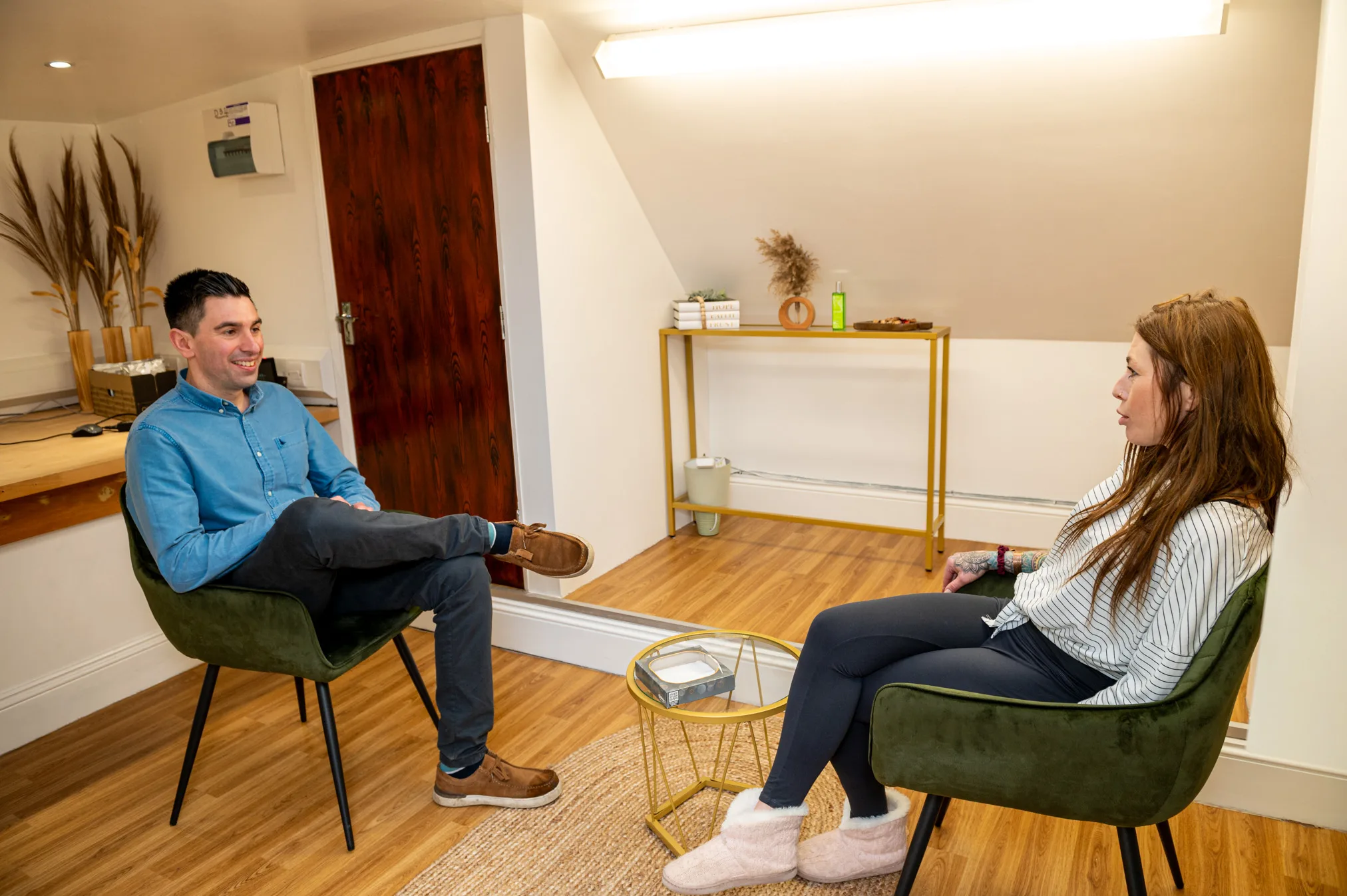
At TLC Rehab, we offer a structured and personalised cocaine addiction treatment programme that includes:

Clinical assessment and withdrawal support

Two one-to-one therapy sessions each week

Psychotherapy focused on underlying issues

Holistic therapies including yoga, nutrition and creative therapy

Group therapy and peer support

Trauma-informed care
We treat the whole person – not just the addiction. Every plan is designed with your unique needs, history and goals in mind.
Call us now: +44 (20) 3098 7007
How Long Does Cocaine Rehab Take?
The appropriate length of cocaine rehab varies according to individual circumstances and treatment needs. A 28-day residential stay is common at TLC Rehab, while some guests may benefit from a shorter or longer programme following assessment.

Why Choose TLC Rehab for Cocaine Addiction?
We offer more than just treatment – we offer hope, compassion and experience. Located in a peaceful residential setting in London, our rehab centre provides a safe space for reflection, healing and long-term recovery.
- Private residential treatment in North London
- 24-hour on-site nursing care
- Two one-to-one therapy sessions each week
- Group therapy and holistic therapies
- A psychotherapy-led, non-12-step approach, with 12-step available as an option
- A small 10-bed residential environment
- Personalised aftercare and relapse prevention planning
Who Is Cocaine Rehab For?
Our cocaine addiction treatment programme is suitable for:
- Adults using cocaine regularly or in binge patterns
- People who have tried to reduce or stop but found it difficult
- People whose cocaine use is affecting their relationships, work, finances or wellbeing
- People experiencing psychological or emotional difficulties alongside cocaine use
- Families seeking private treatment for an adult loved one
Not sure if it’s time for rehab? Contact us for a confidential chat or email us at info@tlcrehab.co.uk
Begin Your Cocaine Addiction Recovery Today
If cocaine use is becoming difficult to control, our team can talk to you confidentially about private residential treatment and the support available at TLC Rehab.
Complete our pre-admission form
Email us at info@tlcrehab.co.uk
Contact us
Chat to us on WhatsApp
Frequently Asked Questions
What happens during cocaine rehab at TLC?
Cocaine treatment at TLC Rehab takes place within our private 10-bed residential centre in North London. Guests receive two one-to-one therapy sessions each week alongside group therapy, therapeutic activities, yoga, creative therapy and nutritional support. Our psychotherapy-led programme focuses on understanding the underlying reasons for cocaine use and developing healthier coping strategies for life after treatment.
Do I need cocaine detox before starting therapy?
Cocaine withdrawal is different from withdrawal from substances such as alcohol or benzodiazepines and does not usually require the same type of medically managed detox. However, people stopping cocaine can experience fatigue, low mood, cravings, anxiety and changes in sleep. At TLC Rehab, guests are supported throughout this initial period while therapeutic work can begin as appropriate.
How is cocaine addiction treatment different from treatment for other drugs?
Treatment needs vary according to the substance involved and the individual. With cocaine dependence, therapy often focuses heavily on cravings, triggers, emotional patterns, behaviour and lifestyle factors associated with use. At TLC Rehab, treatment is personalised to the individual rather than following an identical programme for everyone.
How long does cocaine rehab take?
A 28-day residential stay is common at TLC Rehab, although the appropriate length of treatment depends on individual circumstances. Some guests may benefit from a shorter or longer programme depending on their cocaine use, psychological wellbeing, previous treatment and wider recovery needs.
Can cocaine rehab help if I am still functioning at work?
Yes. Someone does not need to have lost their job, relationships or financial stability before seeking help. If cocaine is becoming difficult to control or is affecting your sleep, mood, decision-making, finances or relationships, it may be appropriate to consider professional support. TLC Rehab provides private and confidential residential treatment for adults from our North London centre.
What happens after cocaine addiction treatment ends?
Planning for life after residential treatment forms part of the recovery process at TLC Rehab. Guests work on identifying triggers, developing healthier coping strategies and considering the support they will need after leaving. An individual aftercare plan can help provide structure as guests return to everyday life.