Nicotine Dependence, Vaping and Getting Support
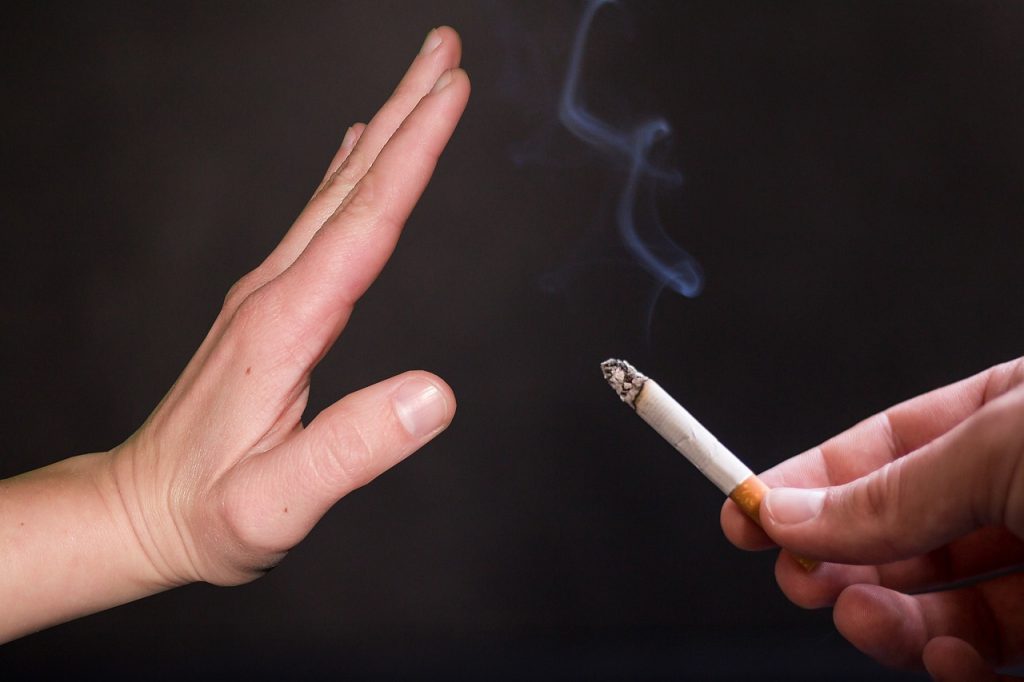
Learn how nicotine dependence can develop through smoking or vaping, what withdrawal can feel like and the support available for people who want to reduce or stop their nicotine use.
Understanding Nicotine Dependence
Nicotine dependence can develop through cigarettes, vapes and other nicotine-containing products. Because vaping doesn’t cause the same immediate intoxication associated with alcohol or many drugs, it can be easy for frequent use to become part of everyday life before someone recognises how dependent they have become.
Some people find that they experience strong cravings or withdrawal symptoms when they try to reduce or stop nicotine. Understanding these patterns is an important first step towards making a change.
What is Nicotine and Vaping Addiction?
Nicotine is an addictive substance found in cigarettes and many vaping products. With regular use, dependence can develop and stopping nicotine may cause withdrawal symptoms such as cravings, irritability, restlessness, difficulty concentrating and sleep problems.
Vaping is considered substantially less harmful than smoking, but it is not risk-free and is not recommended for people who do not smoke. Nicotine-containing vapes can also lead to dependence.
Why Is Nicotine Addiction Hard to Overcome?
Nicotine addiction often starts subtly, making it difficult to recognize when casual use becomes problematic. Here’s why it can be so challenging to quit:
- Physical dependence: Regular nicotine use can lead to cravings and withdrawal symptoms when someone stops.
- Daily routines: Smoking or vaping can become strongly associated with particular times, places and activities.
- Stress and emotions: Some people use nicotine when they feel stressed, anxious or overwhelmed.
- Social triggers: Smoking or vaping with friends, colleagues or while drinking alcohol can reinforce established habits.
- Easy access: Vapes can be convenient and easy to use frequently throughout the day.
This dependency can lead to long-term health risks, including heart disease, lung damage, and strained relationships due to second-hand exposure.
How Nicotine Dependence Can Affect Everyday Life
Nicotine addiction affects your body, mind, and relationships. Common impacts include:
- Strong cravings: Feeling a frequent need to smoke or vape.
- Withdrawal: Irritability, restlessness, difficulty concentrating, low mood or sleep difficulties when reducing nicotine.
- Increasing use: Finding yourself vaping or smoking more frequently than intended.
- Reliance on nicotine: Feeling that you need nicotine to manage particular situations, emotions or routines.
- Difficulty stopping: Wanting to cut down or quit but repeatedly returning to nicotine use.
Why Nicotine Dependence Develops
Nicotine addiction stems from a mix of physical, psychological, and social factors:
- Social Influence: Peers and family often introduce vaping or smoking.
- Stress Relief: Many use nicotine as a quick way to cope with anxiety or stress.
- Perceived Safety of Vaping: Marketing misleads users into thinking it’s harmless.
- Flavor Appeal: Sweet, appealing vape flavors attract younger users.
- Misleading Marketing: Ads create the illusion of safety compared to cigarettes.
Nicotine Dependence During Addiction Recovery
Nicotine use can be one part of a wider picture for people entering treatment for alcohol or drug addiction. At TLC Rehab, our therapeutic approach considers each guest as an individual, including the habits, emotional patterns and coping strategies that may be connected to substance use.
Our ABC Model
We simplify recovery with a memorable, effective three-step framework:
- A – Abstain: Take the first step toward quitting nicotine entirely.
- B – Believe: Build confidence and motivation in your ability to overcome addiction.
- C – Change: Foster new, healthy habits for lasting transformation.
Our holistic approach combines this model with cutting-edge therapies to achieve sustainable recovery.
Support During Residential Treatment
For guests receiving residential treatment for alcohol or drug addiction, TLC’s wider programme includes:
- Two one-to-one therapy sessions each week
- Group therapy and peer support
- Psychotherapy focused on underlying patterns and behaviours
- Weekly yoga and creative therapy
- Nutrition and wellbeing support
- Relapse prevention and healthier coping strategies
- A non-12-step core programme, with 12-step support available as an option
FAQs About Nicotine and Vaping Addiction
Q: Can you become addicted to nicotine through vaping?
A: Yes. Many vapes contain nicotine and regular use can lead to dependence. The level of dependence can vary depending on factors including how frequently someone vapes, the device used and the nicotine concentration.
Q: What are the withdrawal symptoms of quitting nicotine?
A: Nicotine withdrawal can include strong cravings, irritability, restlessness, difficulty concentrating, sleep problems, anxiety or low mood. Symptoms vary from person to person and are often strongest during the first week after stopping.
Q: Is vaping safer than smoking?
A: For adults who smoke, vaping is substantially less harmful than continuing to smoke cigarettes, although vaping is not risk-free. People who have never smoked are not advised to start vaping. If you have switched from smoking to vaping, it is important not to return to cigarettes when trying to reduce or stop vaping.
Why Choose TLC Rehab?
- Private residential addiction treatment in North London
- 24-hour on-site nursing care
- Two one-to-one therapy sessions each week
- Psychotherapy alongside group and holistic therapies
- A small 10-bed residential environment
- A non-12-step core programme, with 12-step available as an option
Taking the First Step Toward Recovery
If nicotine dependence is part of a wider struggle with alcohol or drug addiction, our team can talk to you confidentially about residential treatment and the support available at TLC Rehab.
Take control of your health, reclaim your freedom, and start fresh.
📍 81 Torrington Park, London N12 9PN
📞 020 3098 7007
✉ info@tlcrehab.co.uk
🌐 Visit Our Website